
Guide hub
Planning guides for aging parents, fall prevention, and provider calls
Start with the problem a family actually searches for, then move into photos, measurements, scope notes, costs, and provider questions before sharing contact details.

Start with the path closest to your problem
These paths group the planning pages by what a family is trying to decide before a provider call.
Start with daily routes, recent changes, and which modification should be asked about first.
Reducing fall hazardsCheck paths, lighting, stairs, bathroom support, floors, and thresholds before calling a provider.
Preparing an assessmentTurn a home safety assessment checklist into photos, measurements, and provider questions.
Bathroom safetySeparate grab bars, toilet support, shower access, flooring, lighting, and remodel scope.
 Home checks
Walk the home before you choose aging-in-place solutions
Home checks
Walk the home before you choose aging-in-place solutions
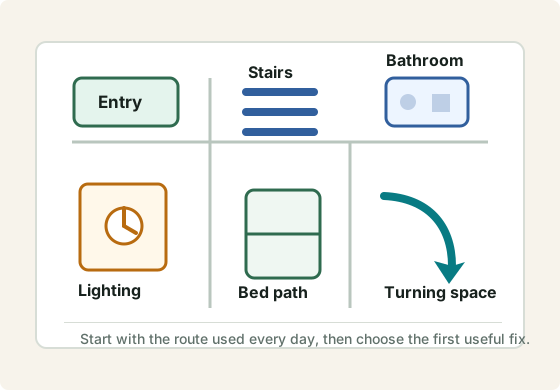
Start with the rooms and transitions that create the most daily friction: entry, stairs, bathroom, bedroom route, kitchen, lighting, and outdoor access.
Home checks
Home modifications for elderly parents start with the daily route
If you are helping a parent stay home, start with where the day gets risky or exhausting. Then decide whether the first request is a small fix, a product installation, or a broader assessment.
Home checks
Fall prevention home modifications should start with hazards and hand support
No home upgrade can guarantee fall prevention, but a room-by-room pass can turn obvious hazards into practical fixes and clearer provider questions.
Home checks
A senior home safety assessment checklist should become a clear project brief
Before paying for an assessment or calling a provider, collect the route, rooms, photos, measurements, and questions that make the next recommendation easier to understand.
 Home checks
Bathroom safety modifications for seniors should separate support, wet-area access, and remodel scope
Home checks
Bathroom safety modifications for seniors should separate support, wet-area access, and remodel scope
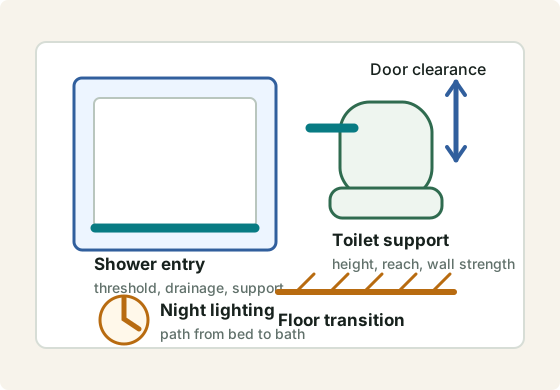
The bathroom is rarely one single project. A safer request separates grab bars, shower or tub access, toilet support, flooring, lighting, doorway space, and any plumbing or waterproofing work.
 Hiring
Ask provider questions that reveal scope, not sales polish
Hiring
Ask provider questions that reveal scope, not sales polish
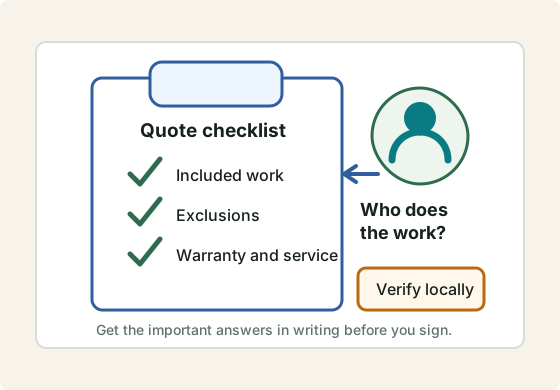
The goal is not to interrogate a provider. It is to make sure the quote covers the same project you think you expect.
 Cost planning
The stairlift price is not the whole stairlift cost
Cost planning
The stairlift price is not the whole stairlift cost
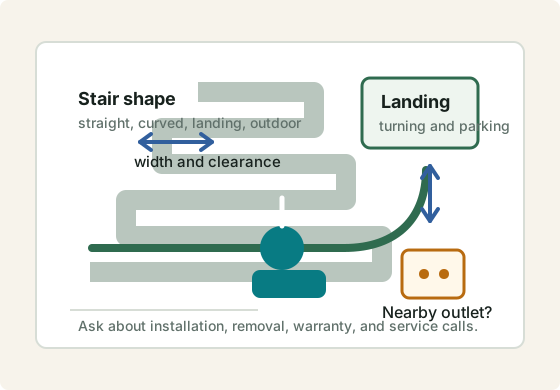
Before comparing providers, ask which line items are included and which become extra after measurement.
 Home checks
Ramp feasibility starts with rise and route
Home checks
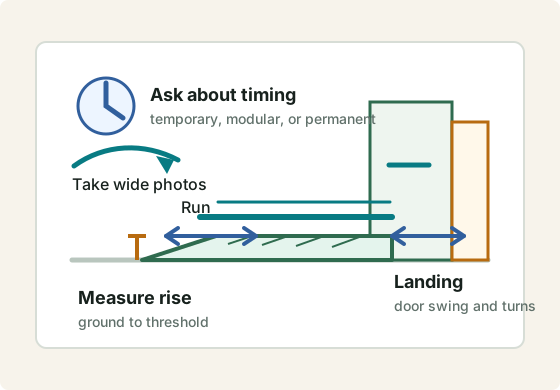
Ramp feasibility starts with rise and route
A ramp can become much longer than expected when the entry is high or the property needs turns and landings.
Home checks
The bathroom quote should match the actual daily friction
Before requesting a remodel, list where the person enters, turns, reaches, sits, stands, and steps over an edge.
Home checks
Discharge timelines reward simple, specific requests
When a family member is coming home soon, focus on the path they must use first: entry, bedroom, bathroom, and essential seating.
Compare options
Temporary ramps solve timing; permanent ramps solve durability
A short recovery need and a long-term access need can produce very different ramp requests.
Quote prep
Good photos reduce quote confusion
Photos are not a substitute for a site visit, but they can help providers decide whether the project is a fit.
Hiring
Check the provider locally before you sign
License and permit rules vary by state, city, trade, and project scope. Placiva helps you prepare the questions; local authorities and contracts decide the answer.
 Compare options
Home modification is not a complete assisted-living substitute
Compare options
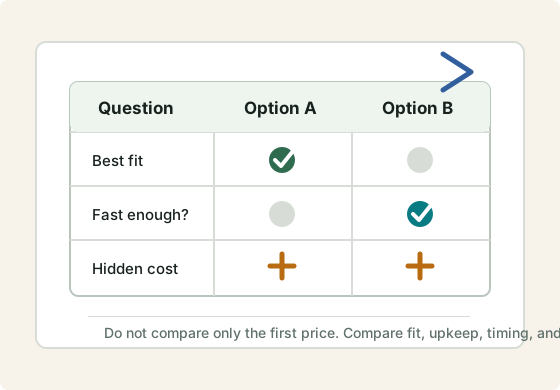
Home modification is not a complete assisted-living substitute
A safer home can support independence, but care needs, caregiver availability, social support, and medical risk may matter more than project cost.
Cost planning
Budget the first safe step, not the whole future home
Most families need a sequence: urgent path first, then durable upgrades, then optional comfort or resale work.
Hiring
A vague quote is a maintenance problem waiting to happen
Good quotes make scope, exclusions, timing, written service terms, and responsibility visible before work starts.
Compare options
A used stairlift can be cheaper and still be the wrong fit
The rail, staircase, service history, parts support, and installation responsibility matter as much as the chair price.
 Home checks
Placement should follow the person and the wall
Home checks
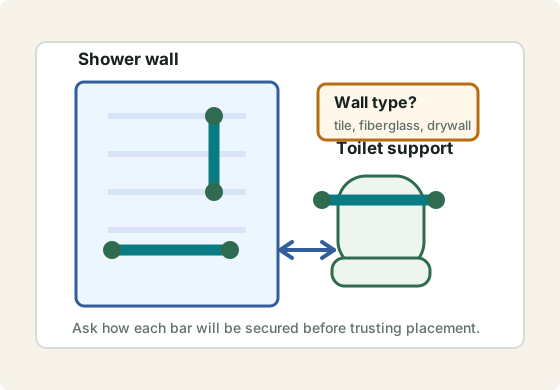
Placement should follow the person and the wall
A bar in the wrong place or wrong wall can create false confidence. Ask how placement will be chosen and how the wall will hold it.
Home checks
Flooring is one part of bathroom safety, not the whole answer
Non-slip flooring may help daily use, but thresholds, drainage, lighting, hand support, and cleaning also affect the project.
Home checks
Small thresholds can create big daily friction
A one-step or threshold issue may need a small ramp, transition change, lighting improvement, or broader entry access plan.
Home checks
The route matters as much as the bathroom
A safer bathroom still leaves risk if the path from bed to bathroom has poor lighting, clutter, rugs, thresholds, or missing hand support.
A good next step is to compare Walk the home before you choose aging-in-place solutions with Home modifications for elderly parents start with the daily route, because the right project often becomes clearer when you see the tradeoffs side by side.