
Start with details the first conversation can use
You do not need a complete diagnosis. You need enough detail for a qualified provider to understand the home, the timing, and what could change after an in-home review.
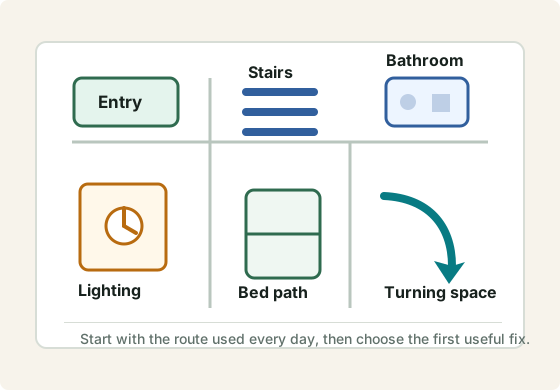
Entry, stairs, bedroom path, bathroom, kitchen, and lighting.
Wide room view, close-up of the friction point, and measurement context.
Urgent safe access first, durable upgrades second, optional polish last.
Where this usually connects
If this page is close to your situation, Calculator can help with the immediate next step, while Home safety checklist gives useful context before you compare provider answers.
Budget guidance uses planning ranges and public cost sources for the main project types.
Sort by daily route
Start with entry, stairs, bathroom, bedroom route, and lighting because those affect everyday use.
Separate urgent from permanent
A temporary ramp or fixture change may buy time while a larger remodel is planned carefully.
Hold contingency
Older homes can hide plumbing, electrical, tile, floor, or structural surprises. Ask providers what commonly changes after inspection.
Ask questions that reveal the real scope
These questions help you compare answers without relying on memory after several calls.
- What is included in the first written scope, and what commonly becomes extra after inspection?
- Which details do you need from photos or measurements before deciding whether this is a fit?
- Who performs the work, who supervises it, and who handles service or written service terms questions later?
- What would make this project slower, more expensive, or inappropriate for this home?
Public sources reviewed
What this page cannot decide for you
- A planning guide cannot inspect the home, confirm local code, verify provider quality, or judge medical suitability.
- Treat cost ranges and decision tables as preparation tools, not final prices or professional advice.
- Before hiring, verify licenses, insurance, permits, contracts, written service terms, and local requirements with the provider or authority that applies to the actual scope.