
Start with details the first conversation can use
You do not need a complete diagnosis. You need enough detail for a qualified provider to understand the home, the timing, and what could change after an in-home review.
Tub wall, shower threshold, floor slope, glass, curtain, and drainage.
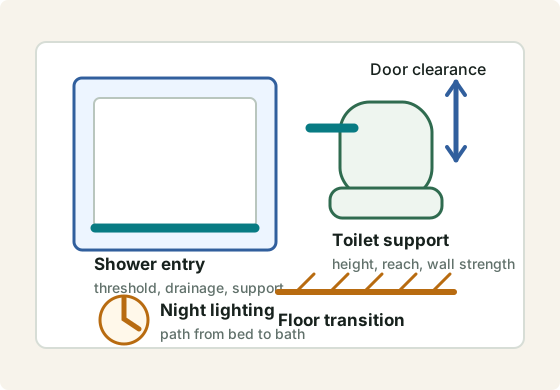
Toilet, shower entry, towel reach, vanity, and nighttime path.
Fixture-only, wet-area conversion, floor/lighting, or full remodel.
Where this usually connects
If this page is close to your situation, Bathroom safety modifications for seniors can help with the immediate next step, while Bathroom safety service page gives useful context before you compare provider answers.
Bathroom safety guidance uses public remodel and tub-to-shower cost sources, then separates accessibility scope from general cosmetic remodeling.
Scope levels
Small fixture upgrades, shower-entry improvements, tub-to-shower conversion, and full layout changes should be priced separately.
Hidden costs to ask about
Ask about demolition, plumbing relocation, waterproofing, floor repair, permits, disposal, written service terms, and timeline.
Next step
Use the estimator to choose a scope, then prepare a request that describes the current bathroom and desired outcome.
Ways this project can branch
| Option | Fits when | Watch for |
|---|---|---|
| Fixture safety upgrade | Grab bars, shower head, lighting, and small fixes. | Wall backing, tile repair, and minimum service fees. |
| Tub-to-shower conversion | Main barrier is stepping over the tub wall. | Drain location, waterproofing, doors, and wall system. |
| Full safety remodel | Layout, floor, doorway, toilet, and shower access all need work. | Plumbing relocation, permits, and disruption time. |
Ask questions that reveal the real scope
These questions help you compare answers without relying on memory after several calls.
- What is included in the first written scope, and what commonly becomes extra after inspection?
- Which details do you need from photos or measurements before deciding whether this is a fit?
- Who performs the work, who supervises it, and who handles service or written service terms questions later?
- What would make this project slower, more expensive, or inappropriate for this home?
Public sources reviewed
What this page cannot decide for you
- A planning guide cannot inspect the home, confirm local code, verify provider quality, or judge medical suitability.
- Treat cost ranges and decision tables as preparation tools, not final prices or professional advice.
- Before hiring, verify licenses, insurance, permits, contracts, written service terms, and local requirements with the provider or authority that applies to the actual scope.